
TMJ Symptoms
Getting to the bottom of your TMJ Dysfunction starts with some very basic determinations. Is the TMD complex (secondary) or is it a stand alone primary TMJ issues (primary). Complex TMJ, or secondary TMJ disorders are triggered by an adjacent system that has dysfunction or problems and is spilling over into the posture and/or function of the temporomandibular joints. The most frequent disruptor of normal TMJ function is chronic malpositioning of the craniovertebral junction, or in other words, where the head rests upon the upper cervical vertebra. We refer to this as secondary because TMJ disfunction comes as a compensatory response to disfunction that arises outside of the temporomandibular joints themselves. Complex TMJ dysfunction is characterized by 5 or more of the following signs and symptoms:
- Jaw joint pain, Swelling and/or Tenderness
- Jaw Locking, Popping or Clicking
- Ear Pain or Tenderness
- Ringing and/or Buzzing in the Ears
- Pain around the Eyes, Ears of Face
- Pain on the Sides of Head
- Pain at Base of Skull
- Painful Teeth
- Clenching or grinding of the Teeth (Bruxism)
- Morning Headaches
- Chronic Jaw Tension
- Worn or chipped teeth
- Poor Sleep
- Chewing that favors one side over the other
- Loss of permanent teeth due to wear and tear
- Dizziness
- Vertigo
- Face Pain
- Tongue Pain
- Sleep Apnea (Mild to Moderate)
- Nightmares
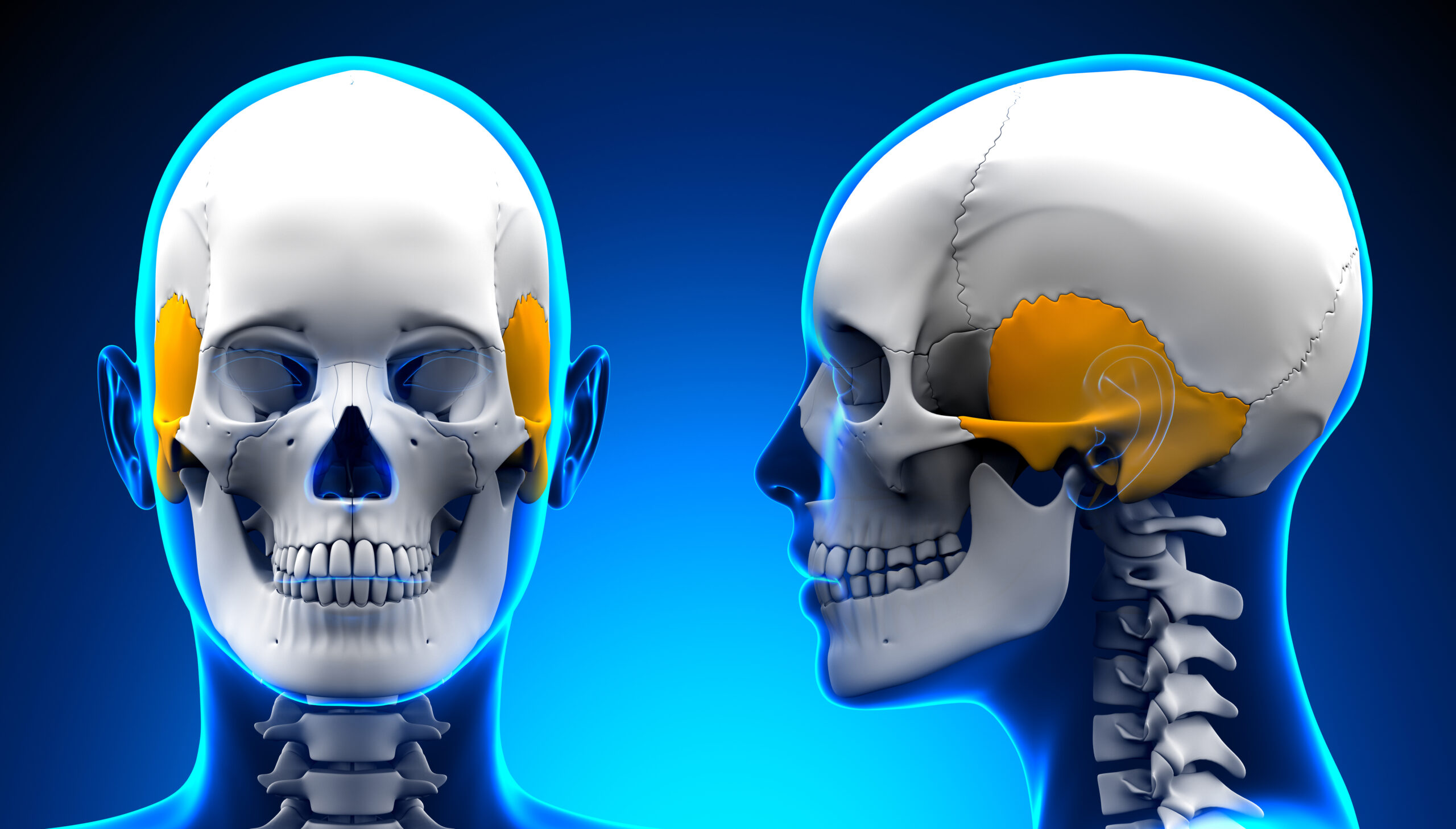
Most TMJ cases are complex and originate from causes outside of the Temporo-Mandibular Joints. The two most common causes are related to 02 desaturation events which occur while you are sleeping, and a loss of alignment of the 2 temporal and occipital bones on the atlas-axis. The jaw joints are very active to accommodate a dysfunctional system.
We have powerful diagnostic tools and proven solutions. If you have 5 or more of the signs and symptoms above, we encourage you to schedule a comprehensive assessment.